Liberia: In Major Shift, Coalition of Religious Leaders Urges Passage of Bill to Extend Abortion Access

Summary:

  • Liberia’s Inter-Religious Council, the umbrella body representing the country’s major Christian and Muslim institutions, is urging lawmakers to pass a stalled health bill that would expand access to abortion in certain cases, breaking with years of opposition to the measure by religious leaders.
  • Supporters say the bill is needed to reduce deaths and injuries from unsafe abortions and make it easier for doctors to save women facing life-threatening pregnancy complications.
  • The Catholic Bishops’ Conference, the official body representing Catholic bishops nationwide, has rejected the Council’s position, setting up a renewed battle in the Senate over one of Liberia’s most controversial health laws.

In a major boost to efforts to pass a health bill that would expand access to abortion in Liberia, the Inter-Religious Council, the umbrella body representing the country’s major Christian and Muslim institutions, has called on lawmakers to pass the legislation, breaking with years of religious opposition that has helped stall the bill in the Senate.

“The health, safety, and dignity of individuals within families constitute a core component of family strengthening,” the Council said in a statement released last week.

The Council’s intervention is significant because religious opposition has been one of the strongest barriers to passage of the Public Health Bill, a sweeping reform measure intended to modernize Liberia’s decades-old public health system. While the bill contains provisions on disease surveillance, emergency preparedness, vaccinations, environmental health, and occupational safety, public debate has focused on provisions that would expand access to abortion under defined circumstances.

Supporters of the bill were surprised and grateful for the Council’s change of heart.

“That’s what I wanted,” said Joseph Somwarbi, a pharmacist and former legislator who said he lost his seat because he supported the bill. “And if people have understood that and find it necessary that our women and girl children should live, then there’s no better time than now.”

They said Council support could be what is needed to get it passed.

“Every time we delay this bill, women remain at risk, especially women in rural Liberia,” said Amelia Siaffa, acting executive director of Sister Aid Liberia, a women’s rights organization that advocates for sexual and reproductive health and gender equality.

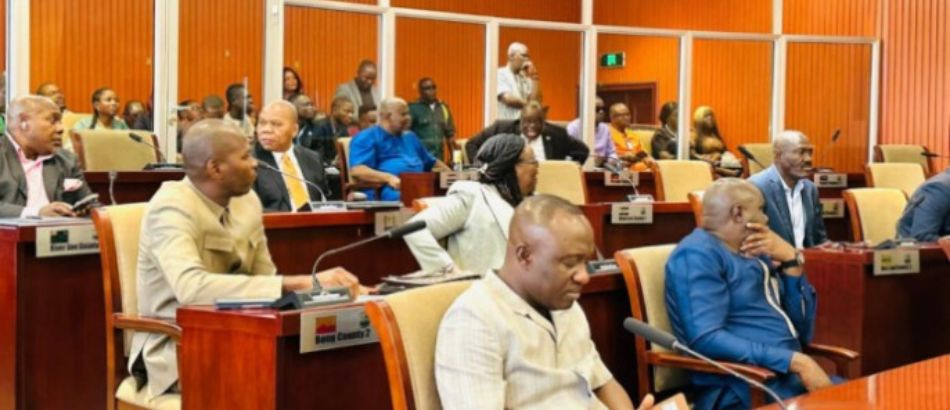
Senator Amara Konneh of Gbarpolu in chats with Dabah Varpilah, Senate Health Committee chair, during a recent Senate session.

The bill has been stalled in the Senate since 2022 without enough votes to pass it, despite repeated efforts by health advocates who argued it would reduce the country’s exceptionally high maternal and infant deaths and injuries linked to life-threatening pregnancy complications and unsafe abortions.

But the Council’s position immediately drew opposition from one of Liberia’s most influential religious groups.

In a statement, the Catholic Bishops’ Conference of Liberia, the official body representing Catholic bishops nationwide, said it was “not in agreement” with the Council’s endorsement of the bill and reaffirmed its opposition to abortion provisions contained in the legislation.

Citing what they said were Biblical teachings and Catholic doctrine that human life begins at conception, the Conference said they “unequivocally reject the concept of justified abortion” contained in the proposed law.

The Bishop’s statement was signed by Archbishop Gabriel Blamo Jubwe of Monrovia, Bishop Anthony Borwah of Gbarnga, and Bishop Andrew Jagaye Karnley of Cape Palmas.

The dispute emerged after the Inter-Religious Council publicly distanced itself from the “Strengthening Families Conference,” an annual regional gathering led by the Church of Jesus Christ of Latter-day Saints, a 19th-century American church whose beliefs diverge from mainstream Christian denominations on key doctrines and opposes elected abortion. The Church, whose followers are widely known as “Mormons”, has been growing rapidly in Liberia in recent years thanks to aggressive recruitment activities.

The Council said it had not been consulted about the conference and criticized what it described as approaches that fail to adequately address challenges affecting Liberian families, including maternal mortality, teenage pregnancy, gender-based violence, poverty, and limited access to healthcare and education.

Conference organizers, the Church of Jesus Christ of Latter-day Saints, did not respond to emails and follow-ups until the deadline.Supporters of the Public Health Bill said the Council’s intervention represents a potentially important political breakthrough. Religious opposition played a major role in slowing the bill’s progress before the 2023 elections, when some lawmakers worried that support for the legislation could hurt their reelection prospects.

Leadership of the inter-religious council of Liberia, a moral voice of all religious groups in the country, during the release of its position statement calling for the passage of the public health bill.

Under Liberia’s current law, abortion is permitted only in limited circumstances, including rape, incest, serious fetal abnormalities, or when a pregnancy threatens a woman’s health. Even then, obtaining approval can be difficult because the law requires authorization from two doctors – a significant obstacle in many rural areas where doctors are scarce. Advocates say many of Liberia’s poor young women do not know they are even pregnant until far into the pregnancy, and they would not have the money or knowledge needed to approach doctors for an abortion.

The proposed legislation would allow abortion up to 14 weeks of pregnancy if performed by a doctor.

Supporters argue that the amendment is not intended to create abortion on demand but to reduce deaths and injuries caused by unsafe abortions and allow doctors to respond more quickly when pregnancies that have gone wrong threaten a woman’s life.

Liberia faces a serious maternal health crisis. World Bank data shows 628 maternal deaths per 100,000 live births, one of the highest rates in the world. A 2021 study by Liberia’s Ministry of Health and the Clinton Health Access Initiative found that more than 14,500 women sought treatment for abortion-related complications in a single year. One in 10 suffer die of severe injuries.

For D., a young Liberian woman who still lives with chronic pain after seeking help from an untrained provider as a teenager, those statistics are deeply personal.

She was 15, pregnant, and terrified her parents would find out.

“The man put me on a long bed,” she recalled in an interview earlier this year. (FrontPage Africa/New Narratives is using only her initial to protect her from stigma.) “Then he had plenty of iron in a pan. Then he used that. He put it inside me.”

Doctors later told her the procedure had damaged her body. Today, she fears she may never have children.

Advocates say stories like hers explain why reform has become such an urgent issue.Somwarbi also argued that the current law places women facing life-threatening pregnancies at unnecessary risk.

D., a young woman who sought a dangerous alternative to abort her pregnancy out of fear of being punished by her parents. She did not want to live with pain and fear; she may not have a child of her own as a result of the procedure.

Somwarbi said the amendment would allow doctors to act more quickly in emergencies, rather than forcing patients to navigate approval processes that can delay care. He argued that requirements for multiple doctor approvals are often impossible to meet in rural Liberia and contribute to unsafe abortions.

He said this issue is so important that he was willing to lose his seat to defend the bill.

“People were afraid simply because they felt that it was going to hinder their election, for which I am a victim,” said Somwarbi. “For me, I felt that the life of another person is more important than elections.”

This story was produced in collaboration with New Narratives as part of the Investigating Liberia project. Funding was provided by a private donor and the Swedish International Development Cooperation Agency. The donors had no say in the story’s content.


Source credit:  By Joyclyn Wea, gender correspondent with New Narratives/ FPA

Gov’t Addresses The Deadly Wait for Emergency Care

— As 25 New Ambulances Hit Rural Roads

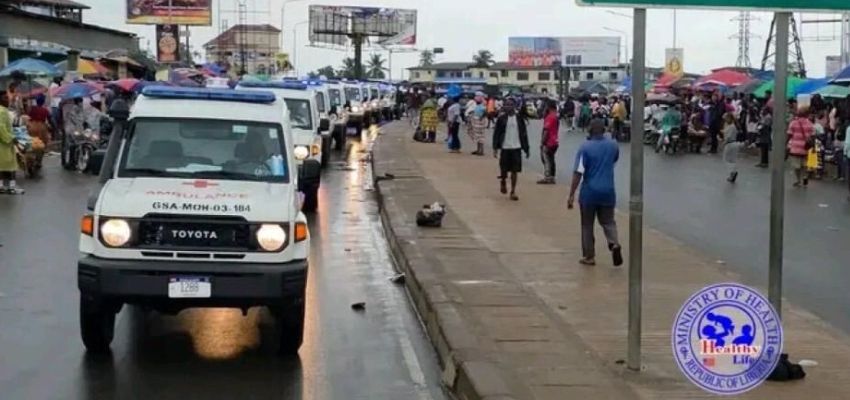
In rural Liberia, the difference between life and death is often measured in hours on a dirt road. On Wednesday, the Ministry of Health cut that clock down with the commissioning of 25 ambulances—bound for the counties where a ruptured uterus, a motorcycle crash, or a child’s fever can turn fatal while families wait for a ride.

 The new fleet is one of the largest single boosts to the country’s emergency referral system in years.

“The commissioning of these ambulances demonstrates our continued commitment to improving access to quality healthcare services for all Liberians, especially those living in remote communities,” Madam Martha C. Morris, Deputy Minister for Administration at the Ministry of Health, said.

The commissioning ceremony, held in Monrovia on Wednesday, June 3, drew a full house with government officials, development partners. Others, including representatives from the Ministry of Health, the National Public Health Institute, and county health officers, watched as the keys were handed over. The resounding message at the event was blunt—emergency transport is no longer an afterthought.

For years, the country’s referral chain has snapped at the same weak link. Clinics diagnose the problem. Hospitals can treat it. But the patient never makes it there. Roads wash out in the rainy season. Fuel is unaffordable. Private vehicles are scarce. The ambulance never comes.

Dr. Teyah Sackie Moore, Acting Chief Medical Officer of Liberia, put numbers to the gap. “Timely transportation of patients is a critical component of an effective health system,” Dr. Teyah Sackie Moore said. “These ambulances will help bridge gaps in emergency care and referrals across the country.”

Health workers say the stakes are highest for obstetric emergencies. A woman bleeding after delivery needs surgery within two hours. A newborn who cannot breathe needs oxygen in minutes. Trauma from road accidents is another killer. Liberia’s main highways record frequent crashes, yet ambulances are clustered in Monrovia. The new units are meant to push coverage outward.

The Ministry did not release a county-by-county breakdown Wednesday. Officials said the 25 ambulances will go to “priority areas with the longest referral times.” Each vehicle will serve multiple districts, with county health teams responsible for routing and maintenance.

That raises familiar questions. Past ambulance donations have stalled for lack of fuel, drivers, or spare parts. Hon. Martha C. Morris addressed the concern indirectly, framing the commissioning as part of a broader push to strengthen delivery. “The commissioning of these ambulances demonstrates our continued commitment to improving access to quality healthcare services for all Liberians,” Hon. Martha C. Morris said.

Development partners in attendance have backed fuel and maintenance schemes in other counties. Whether those models will scale with the new fleet remains to be seen. For now, the Ministry is banking on county ownership to keep the vehicles running.

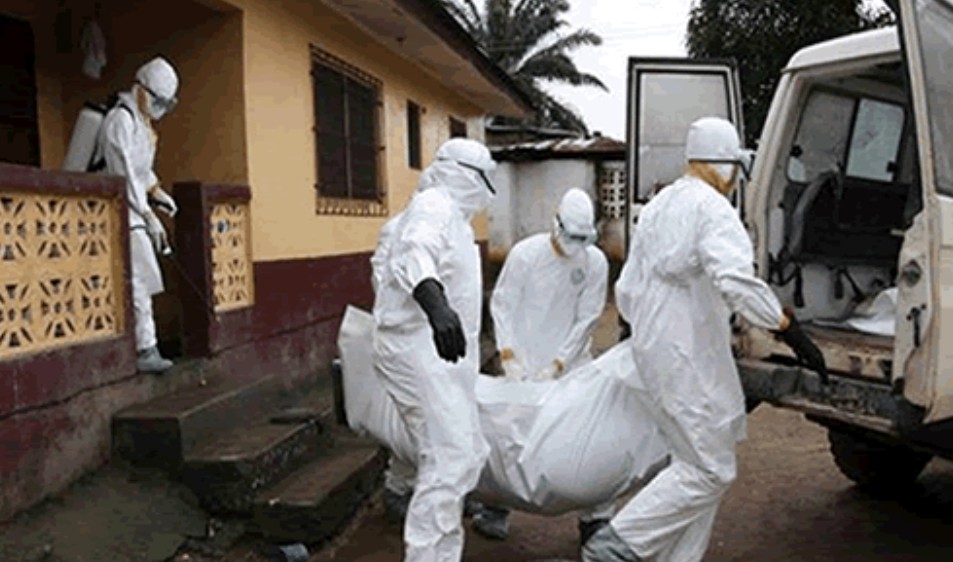
The handover comes as Liberia works to rebuild emergency services hollowed out by years of underinvestment. The 2014 to 2016 Ebola epidemic exposed the system’s fragility. COVID-19 strained it again. Today, many district hospitals still lack basic resuscitation equipment, and referral hospitals operate with limited blood banks and surgical capacity.

Ambulances alone will not fix that. But they plug a hole that frontline nurses call daily. “We stabilize what we can,” one county health officer said on the sidelines. “Then we pray for transport.”

Dr. Teyah Sackie Moore tied the vehicles to larger reforms. Faster referrals, he said, will only matter if receiving hospitals are ready. The Ministry has been training emergency responders and equipping casualty wards, but gaps persist. “Timely transportation of patients is a critical component of an effective health system,” Dr. Teyah Sackie Moore repeated. “These ambulances will help bridge gaps in emergency care and referrals across the country.”

The Ministry of Health said operational guidelines, driver recruitment, and maintenance plans will follow the commissioning. County health teams are expected to integrate the ambulances into existing referral protocols and report response times to Monrovia.

Civil society groups welcomed the move but urged transparency. Publishing the distribution list, fuel allocations, and maintenance budgets, they argue, will let communities track whether the ambulances stay on the road.

For families in Lofa, Grand Kru, River Gee, and other remote counties, the policy details are secondary. What matters is the siren. What matters is a vehicle that shows up when needed the most.

When the road is long and the bleeding will not stop, 25 new ambulances mean Liberia finally has a chance to answer the call.


Source credit: By Rahab N. Meankimie / Liberian Observer

EBOLA Hotline Activated

Monrovia, May 29, 2026 – In an effort to bolster nationwide surveillance and prevention measures, the Ministry of Health and the National Public Health Institute of Liberia (NPHIL) have reactivated the national emergency hotline 4455. Authorities are urging citizens to promptly report all suspected cases or symptoms suggestive of Ebola.

he emergency hotline forms part of the Ebola Reporting System (ERS), established during the 2014–2016 West African Ebola outbreak to strengthen real-time reporting, enhance communication with citizens, and facilitate coordination among health authorities and response partners. The ERS was launched as a surveillance and reporting platform, enabling quicker detection of Ebola cases and more effective use of data collected from hotline calls to control the spread of the disease.

During the outbreak, Liberia faced major challenges, including delayed reporting, weak disease surveillance, limited laboratory capacity, and gaps in communication between county health teams and the national government.

Although the government reports there are currently no active Ebola cases in the country, officials maintain that health authorities are now better prepared to detect and respond to any outbreak should one emerge.

Making the disclosure at the Ministry of Information’s regular press briefing on Thursday, Deputy Information Minister Daniel announced that the national emergency hotline 4455 has been reactivated. He urged citizens to use the hotline to report any suspected Ebola symptoms or cases.
“While there is no active case in Liberia, the Ministry of Health and the National Public Health Institute have proactively strengthened surveillance, preparedness, and rapid response systems nationwide to ensure any potential outbreak can be swiftly contained. We have activated infrastructure never before available, and the public remains a crucial partner in this process,” he stated.
As a result, he said, the Ministry of Health and NPHIL are calling on the public to report any suspected cases or symptoms resembling Ebola by calling the hotline 4455.


By Kruah Thompson / The New Dawn Liberia

“Liberia Cannot Afford Another Ebola Nightmare” — House Summons Health Authorities Over DRC Outbreak Fears

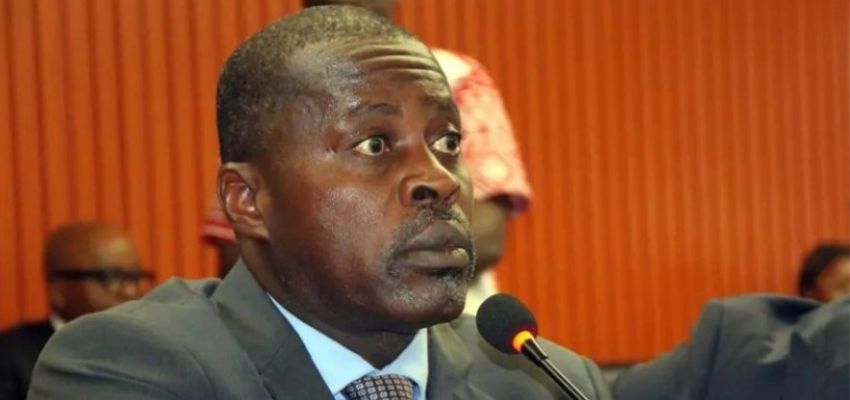
The House of Representatives has summoned the heads of the National Public Health Institute of Liberia and the Ministry of Health of Liberia to appear before plenary on Tuesday following mounting concerns over Liberia’s preparedness for the recent Ebola outbreak in the Democratic Republic of Congo. The action follows a formal communication from Montserrado County District 16 Representative Dixon W. Seboe addressed to House Speaker Richard Nagbe Koon.

In the communication, Representative Seboe urged the House leadership to immediately engage national health authorities on measures being taken to prevent a possible resurgence of Ebola in Liberia. “I am writing to formally request the appearance of the heads of the National Public Health Institution of Liberia and the Minister of Health before the full plenary of the House of Representatives to discuss Liberia’s preparedness and response strategies regarding the recent Ebola outbreak in the Democratic Republic of Congo,” Seboe wrote.

The lawmaker emphasized that the outbreak, which has already drawn international attention, presents serious risks to Liberia because of regional movement and the country’s past experience with the deadly virus. “As we are aware, the ongoing situation poses a significant risk of further spread given Liberia’s proximity to the affected regions, alongside our historical experiences with Ebola outbreaks,” he stated.

Seboe reminded lawmakers of the devastating impact the Ebola crisis had on Liberia between 2014 and 2016, noting that the country suffered massive loss of life and enormous pressure on its healthcare system. He warned that Liberia cannot afford to repeat the mistakes of the past by waiting until the situation worsens before strengthening preventive measures.

Referencing concerns raised by the World Health Organization, the Montserrado County lawmaker stressed the need for heightened vigilance surrounding the Bundibugyo strain of the virus. “The WHO’s warnings concerning the Bundibugyo virus and its potential escalation necessitate our readiness to respond effectively,” he cautioned.

He further pointed to growing concerns surrounding high population mobility and the urban nature of affected areas in the Democratic Republic of Congo. According to him, those factors significantly increase the possibility of cross-border transmission if neighboring countries fail to intensify surveillance and preparedness efforts.

“In light of the reported cases and the risk factor identified by the WHO, including high population mobility and the urban nature of the affected areas, it is critical that we ascertain the measures NPHIL and the Ministry of Health have in place to prevent resurgence of Ebola in our community,” Seboe added.

The lawmaker also stressed the importance of understanding the current state of Liberia’s healthcare preparedness, including surveillance systems, emergency response capacity, and public awareness initiatives. “Understanding the current status of our public health infrastructure, surveillance systems, and community awareness campaigns will be vital for ensuring the safety and health of our citizens,” he stated.

Representative Seboe concluded by calling for urgent legislative action on the matter, urging Speaker Koon to ensure that the hearing is held without delay. “I kindly urge that we schedule a hearing at the earliest convenience where our health authorities can provide updates and answer pertinent questions regarding Liberia’s readiness to manage potential risks arising from the outbreak in the DRC,” he noted.


Source credit: Z. Benjamin Keibah / knewsonline.com